
 English
 中文简体
中文简体 русский
 Español
Can a Color Pen Support Both Writing and Drawing?
Color tools are part of daily work in studios, classrooms, offices, and production lines. A Color Pen is valued for its rich shades, portability, and direct application without extra preparation. Whether for sketching concepts, marking documents, or educational use, the right selection affects user experience and long-term performance.
Understanding the Core Structure of a Color Pen
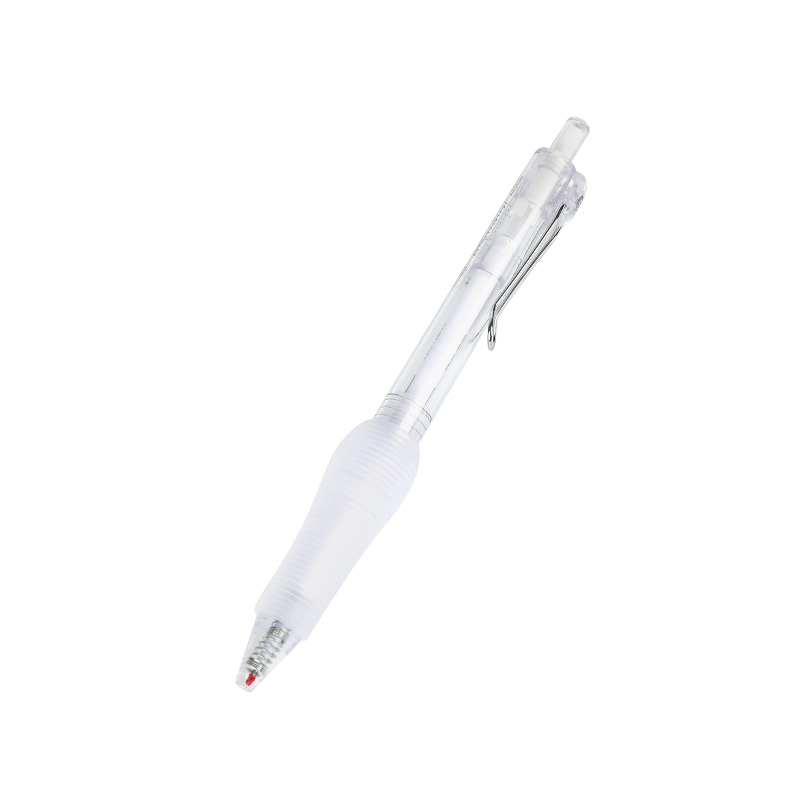
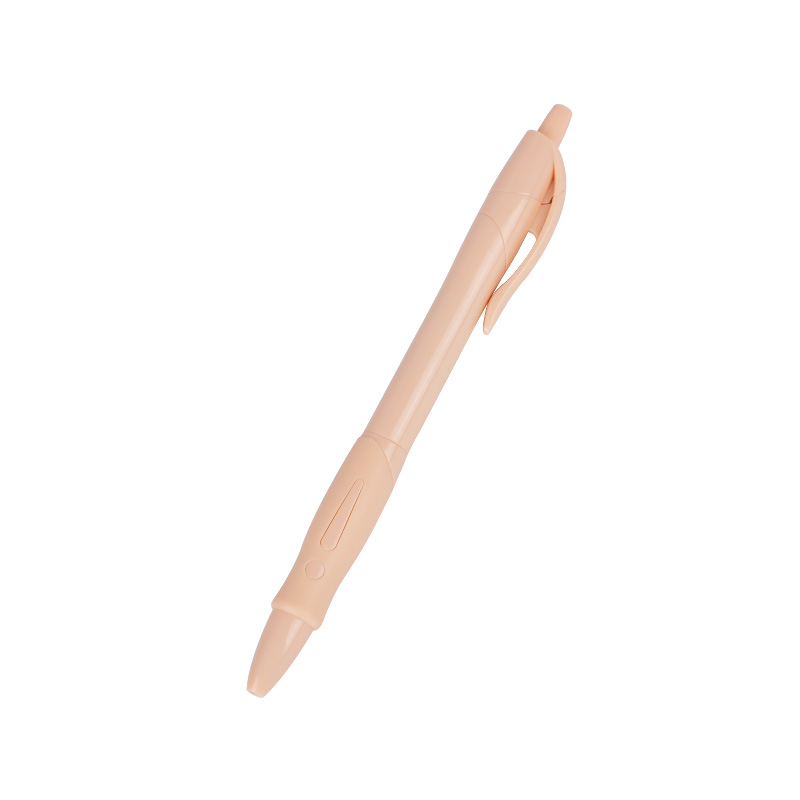
A standard Color Pen consists of a barrel, a refill filled with pigment or ink, and a tip that transfers color to paper. The refill quality determines color adhesion and resistance to fading. The tip shape influences line control and application style.
From a production view, a Color Pen Manufacturer selects ink formulation, tip fiber density, and barrel material carefully. Stable ink flow and consistent color output are important in repeated use. Users often complain about uneven ink release or early drying. These issues are directly related to refill sealing and pigment quality.
Key Features That Affect Daily Performance
Rich Color Selection
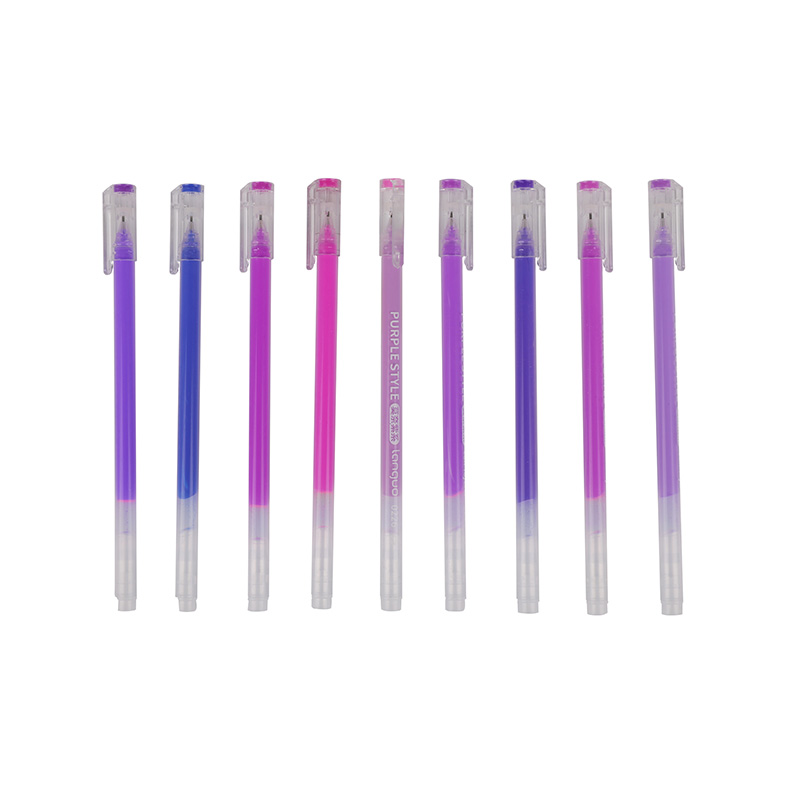
A Color Pen is valued for its variety of shades. Basic colors like red, blue, and yellow are standard, while neutral tones like gray and black support writing and shading.
For wholesale programs, offering 12 or 24 color sets covers general needs. Larger combinations are suitable for creative professionals.
Portability and Convenience
A major advantage is direct use without water or mixing. This makes the Color Pen practical in classrooms and offices. Compact size supports travel use.
Durability and Light Resistance
Ink fading is a common pain point. High-quality pigment improves long-term color stability. A professional Color Pen Manufacturer typically performs aging tests to evaluate color retention.
Applications Across Different Industries
Painting and Illustration
Artists use a Color Pen for sketches, layering, and highlighting. Fine tips help in character details, while thick tips support backgrounds.
Design and Planning
Designers rely on clear color differentiation when drafting concepts. Color pens simplify visual communication during brainstorming sessions.
Education
Teachers use colored pens on boards and notebooks to create engaging lessons. Clear color contrast improves attention.
Office Marking
In administrative tasks, colored pens help categorize and annotate documents efficiently.
Common Problems and How to Avoid Them
Ink Drying Too Fast
Cause: Poor sealing or low pigment quality.
Solution: Verify cap design and storage recommendations.
Uneven Lines
Cause: Inconsistent tip fiber structure.
Solution: Check tip density and pressure test results.
Color Fading
Cause: Weak pigment resistance.
Solution: Request light resistance data from the supplier.
Addressing these issues early helps maintain product reputation in the market.
Why Manufacturing Knowledge Matters
Understanding how a Color Pen is made helps explain price differences and performance variation. Pigment formulation, refill sealing, and tip shaping all require controlled production processes.
A reliable Color Pen Manufacturer focuses on stable raw material sourcing and structured quality inspection. This manufacturing foundation supports long-term cooperation and product reliability across painting, design, education, and office environments.
Color Pen products remain widely used across creative, educational, and office environments because of their rich color options, portability, and direct usability. Selecting the right type—whether oil-based or water-based, fine tip or thick tip—depends on the intended application and performance expectations. Understanding refill quality, tip structure, and pigment durability helps reduce common issues such as uneven ink flow or fading. Working with a stable Color Pen Manufacturer also supports consistent production standards, color accuracy, and long-term supply planning.

Copyright © Zhejiang Hanyun Industry And Trade Co., Ltd.

