
 English
 中文简体
中文简体 русский
 Español
Marker Pen Tips: Selecting The Right Option For Your Needs
1. Key Features of Marker Pens
Marker pens offer several advantages that set them apart from other writing instruments. Early, their pigments are vibrant and long-lasting, providing clear visibility on different surfaces. The ink is generally resistant to fading, which is important for documents, artwork, or presentations that need to maintain a professional appearance.
The pen tips are carefully designed to provide smooth and even strokes. Whether users are writing detailed notes, highlighting important information, or creating artwork, marker pens allow precise control and consistent results.
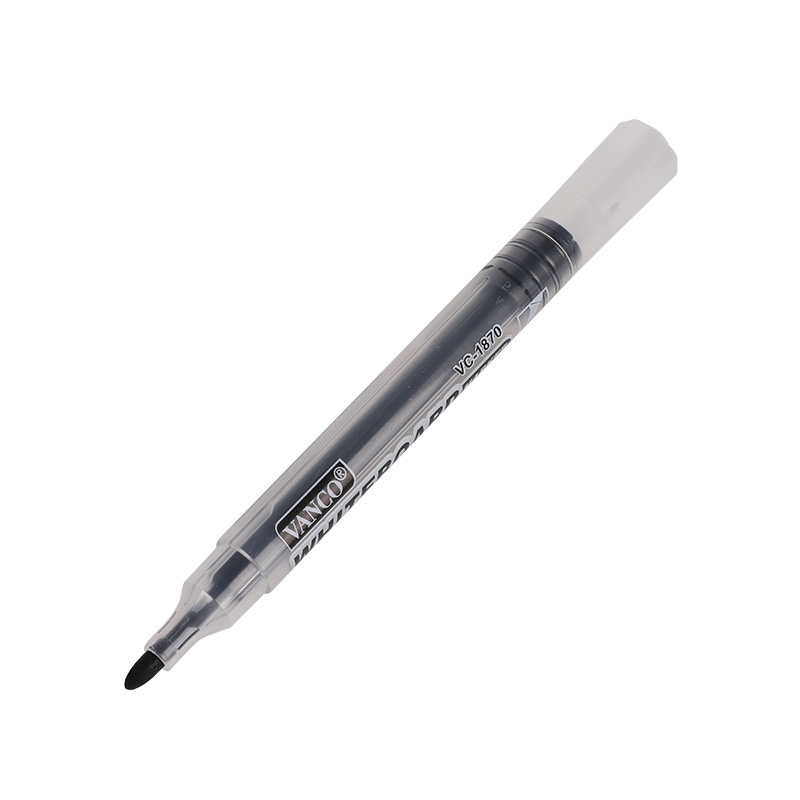
Marker refills are engineered to maintain good moisture. This prevents the ink from being too dry or oversaturated, ensuring that each stroke looks clean and professional. Many marker pens are also waterproof and wear-resistant, which increases their reliability in various environments, including offices, classrooms, and outdoor workspaces.
2. Applications Across Industries
The applications of marker pens extend far beyond simple writing. In educational settings, they are essential for taking notes, creating charts, and highlighting key information. Bright, vivid colors help improve comprehension and retention, making learning more interactive.
Artists use marker pens for sketching, coloring, and detailed illustrations. Alcohol-based or oil-based markers allow for rich, layered effects, while water-based markers are ideal for indoor projects and paper-based artwork.
In office environments, marker pens are practical tools for labeling files, designing presentations, and recording meeting notes. Their versatility also makes them valuable for inventory management, planning, and collaborative projects.
Beyond these traditional uses, marker pens are increasingly popular in DIY projects, crafts, and design work. Users can apply marker pens on materials such as cardboard, fabric, glass, or plastic, making them flexible tools for creative tasks.
3. Types of Marker Pens
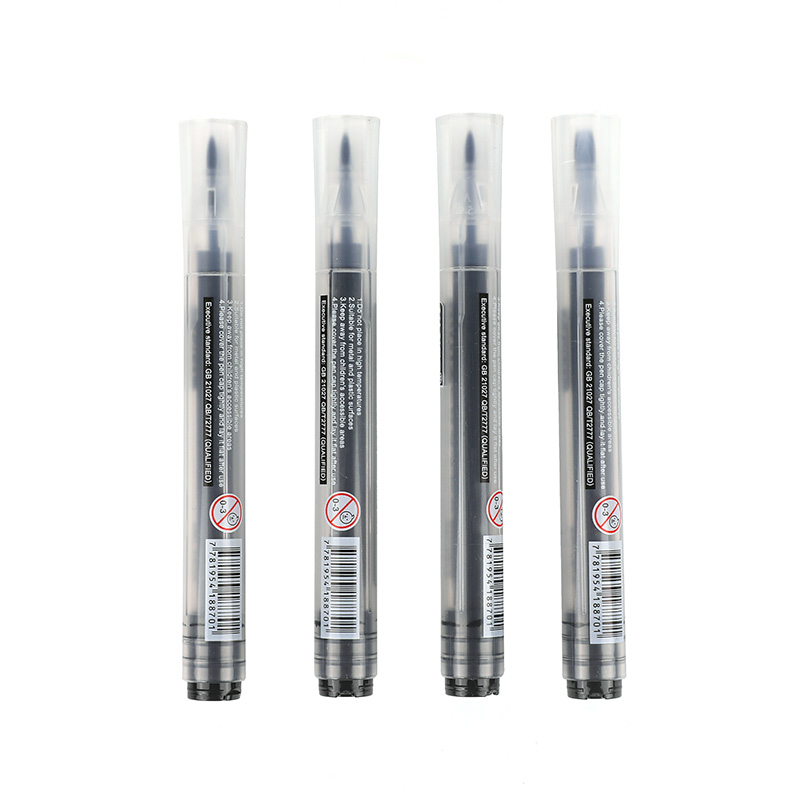
Understanding the different types of marker pens is essential when selecting the right product. Water-based markers are quick-drying and ideal for paper-based projects, providing smooth coverage without bleeding. Oil-based markers are slower to dry, making them suitable for outdoor use and non-porous surfaces. Alcohol-based markers are waterproof and abrasion-resistant, great for humid or wet conditions, or for professional-grade artwork.
Marker pens also vary by tip size, shape, and color range. Fine tips are used for detailed writing or intricate artwork, while broader tips are suitable for highlighting, coloring, or large-scale marking. The wide range of available colors ensures that users can meet different functional and creative requirements.
4. Choosing the Right Marker Pen Manufacturer
Working with a trusted Marker Pen manufacturer is essential for businesses and organizations that rely on consistent product quality. Reliable manufacturers provide a wide selection of marker pens, maintain strict quality control, and offer customization options to meet specific requirements.
When evaluating manufacturers, consider factors such as ink consistency, tip durability, and refill reliability. A reputable Marker Pen manufacturer will also provide support for bulk orders, help with product innovation, and ensure timely delivery, which is critical for maintaining smooth operations.
Marker pens are functional, versatile, and widely applicable tools suitable for education, art, office work, and creative projects. By understanding their features, types, and applications, businesses and individuals can select marker pens that good meet their needs. Collaborating with trusted Marker Pen manufacturers ensures access to consistent, high-quality products and supports long-term operational success. With the right choice, marker pens become more than just stationery—they become reliable tools that enhance productivity, creativity, and presentation quality.

Copyright © Zhejiang Hanyun Industry And Trade Co., Ltd.

