
 English
 中文简体
中文简体 русский
 Español
What Makes a Ballpoint Pen Factory Reliable for Bulk Orders?
Ballpoint Pen products continue to hold a steady position in offices, schools, and commercial environments. Writing tools have evolved, yet the simple structure and reliable ink system of this pen make it suitable for everyday tasks. For businesses that distribute stationery, stability in quality and supply matters more than trends.
The main reason behind its popularity is convenience. There is no need for sharpening or ink refilling during daily use. The rotating ball at the tip transfers ink evenly onto paper, allowing continuous writing without frequent interruption. This structure supports fast-paced environments such as meetings, classrooms, and warehouse documentation.
Another reason is portability. The lightweight body design allows it to be carried in pockets, folders, or bags without adding weight. For distributors and wholesalers, this also means lower shipping costs compared to heavier writing instruments.
Inside a Ballpoint Pen Factory: Materials and Structure
Understanding how a Ballpoint Pen Factory operates helps clarify product consistency and durability. Manufacturing starts with material selection. Common barrel materials include ABS plastic and metal alloys. These materials are processed through injection molding or metal forming techniques to create smooth and durable pen bodies.
The writing tip is a critical component. Stainless steel or tungsten carbide is commonly used for the ball mechanism. The small rotating ball is carefully polished to maintain balanced ink flow. Even a slight deviation in size can affect writing smoothness, so precise machining is necessary.
Ink formulation is another key area inside a Ballpoint Pen Factory. The ink must maintain the right viscosity. Ink that is too thin may cause leakage, while ink that is too thick may interrupt writing flow. Production teams test ink batches to maintain stable output across different climate conditions.
Assembly lines combine the barrel, ink refill, spring, and tip into a finished unit. Automated equipment reduces variation between pieces, especially for large export orders. As a Medium Point Pens Exporter, maintaining steady production cycles is important for meeting delivery timelines.
Different Types of Ballpoint Pens and Their Uses
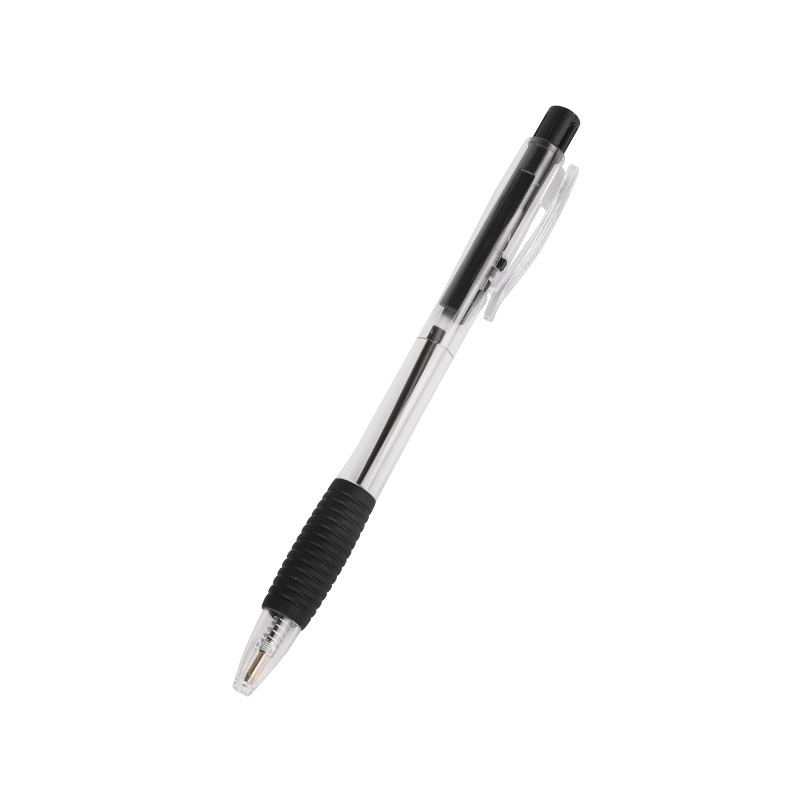
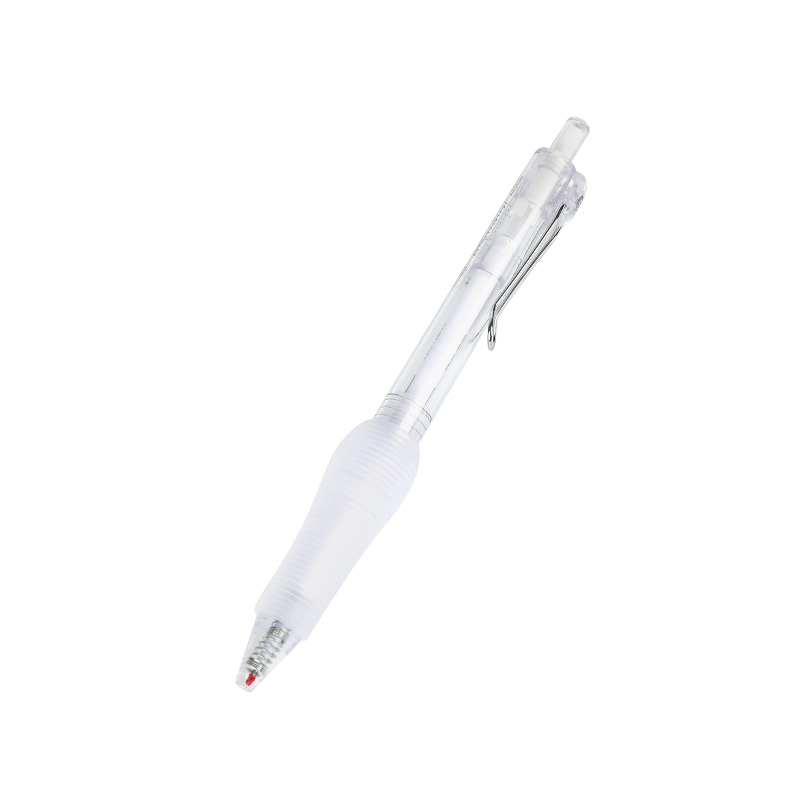
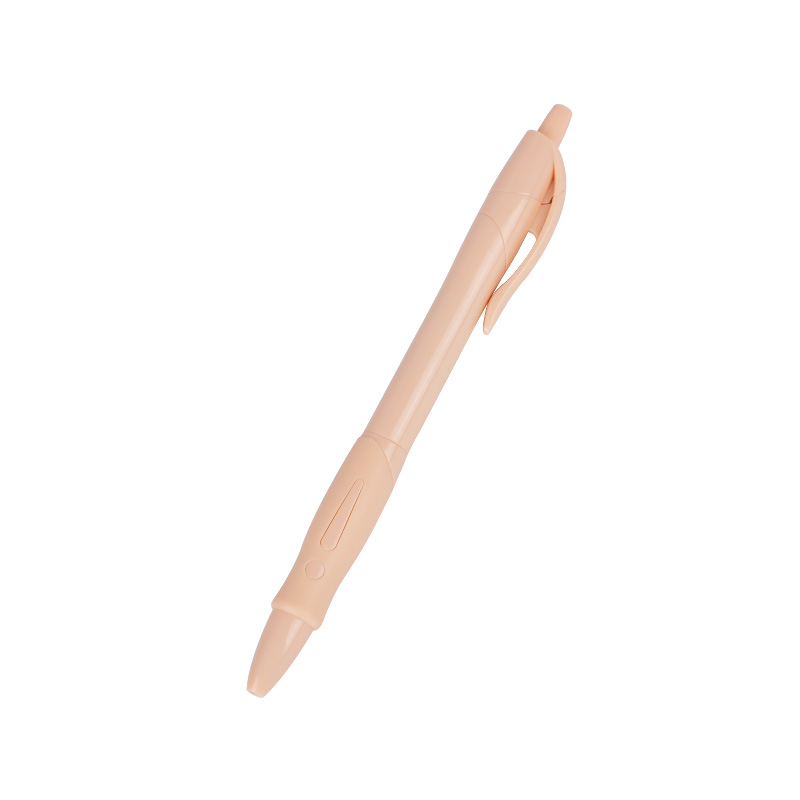
Market demand is not limited to one single design. The Ballpoint Pen category includes several variations that meet different writing preferences.
Regular Ballpoint Pen
This is the standard version widely used in offices and schools. It uses oil-based ink with moderate flow. The medium point size is suitable for general handwriting and document signing.
Needle Point Ballpoint Pen
The needle tip version has a thinner metal point and produces finer lines. It is often used for detailed writing tasks, note-taking, and forms requiring smaller text. The controlled ink output reduces smudging on thin paper.
Gel-Based Writing Pen
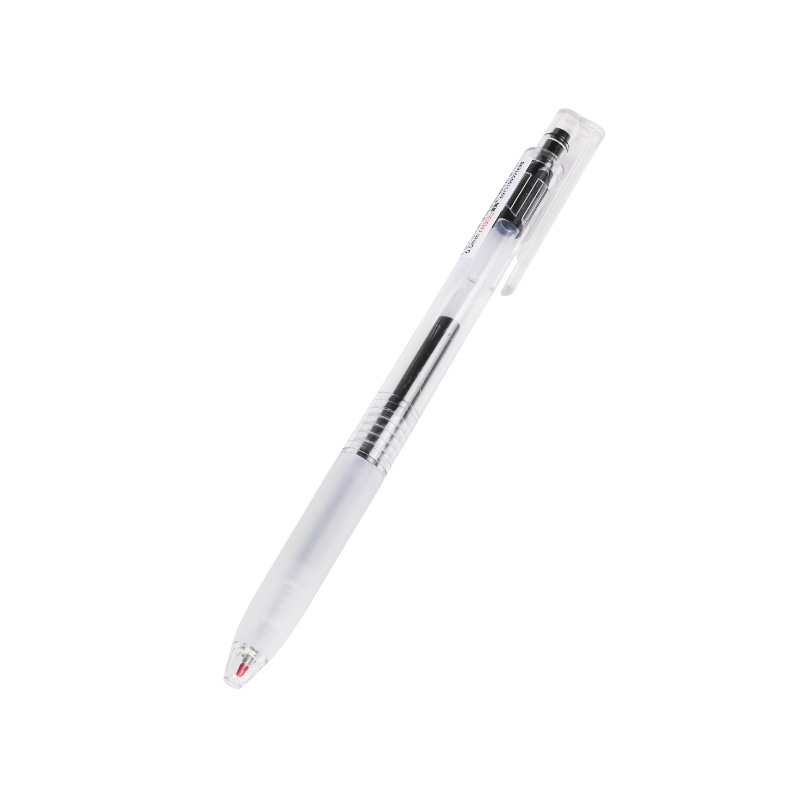
Although structurally similar, gel ink versions provide stronger color visibility. The ink dries differently and offers a smoother feel on certain paper types. Some markets prefer this style for promotional or retail channels.
Multi-Color and Functional Variants
Some designs integrate multiple ink colors in one barrel. Others offer erasable features. These variations respond to specific usage scenarios, such as teaching, editing, or administrative work.
A Ballpoint Pen Factory typically develops different molds and refill systems to support these variations without changing the core assembly line entirely.
Maintenance Tips to Extend Product Life
Although designed as convenient tools, proper storage improves performance. Keeping pens capped when not in use prevents ink from drying at the tip. Storing them horizontally can also maintain balanced ink distribution inside the refill.
In bulk storage environments, avoiding high heat exposure helps maintain ink consistency. Warehouses handling stationery exports often monitor temperature to reduce product variation during long-term storage.

Copyright © Zhejiang Hanyun Industry And Trade Co., Ltd.

