
 English
 中文简体
中文简体 русский
 Español
Why A Rolling Ball Pen Feels Different In Daily Use?
A Rolling Ball Pen attracts attention because users look for writing tools that feel smooth, look professional, and support long hours of work without interruption. Many buyers also want to understand how different technical details influence writing quality, which makes the capabilities of Rolling Ball Pen Manufacturers especially relevant during sourcing. When a company selects a model for office supply distribution, retail supply, or promotional projects, the key questions often revolve around writing flow, material stability, refill performance, and production consistency.
A Rolling Ball Pen operates with a mechanism that allows liquid ink to move across paper with little effort. This structure creates a writing feel that is lighter than a standard ballpoint pen. Buyers often ask how this mechanism affects long-term use, and the answer usually comes from the coordination between ink formulation and the tip's precision. Manufacturers need tight control over these elements to support repeat orders and stable product lines.
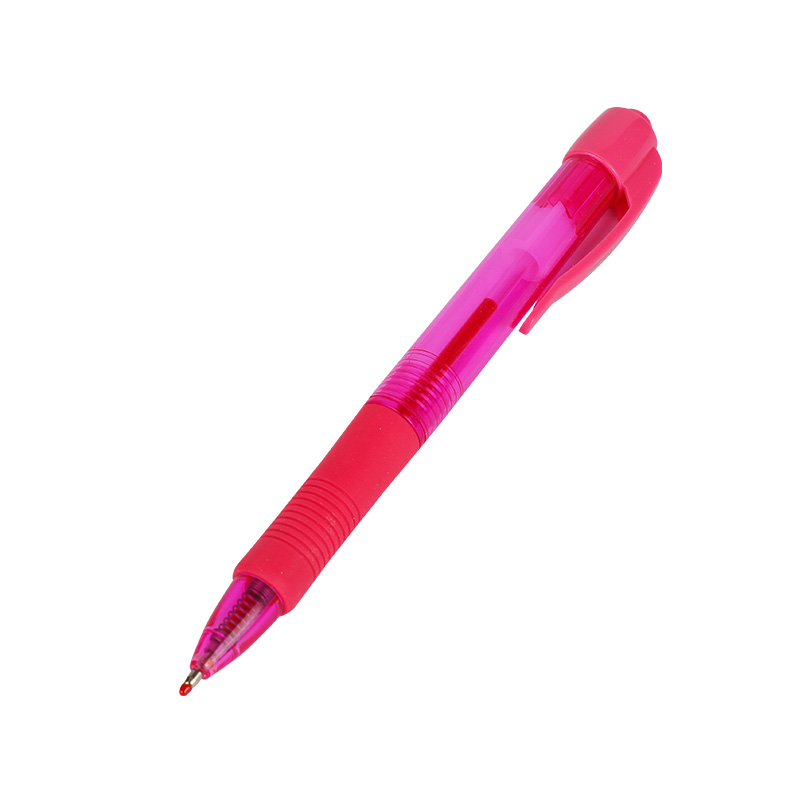
1. Ink Flow and Writing Feel
Many overseas buyers want predictable smoothness because users often write in fast, short sessions. A Rolling Ball Pen uses a thinner ink and a tip structure that maintains constant output, which reduces hand drag. Companies sourcing in bulk usually test whether the ink remains stable during continuous writing on different paper surfaces. Rolling Ball Pen Manufacturers often adjust flow levels based on the customer's target region, climate, or application. For example, offices with heavy documentation needs look for models that maintain clarity page after page without sudden breaks in flow. This characteristic becomes a strong selling point for distributors promoting pens for long-form note-taking, school use, or administrative work.
2. Material Selection and Durability
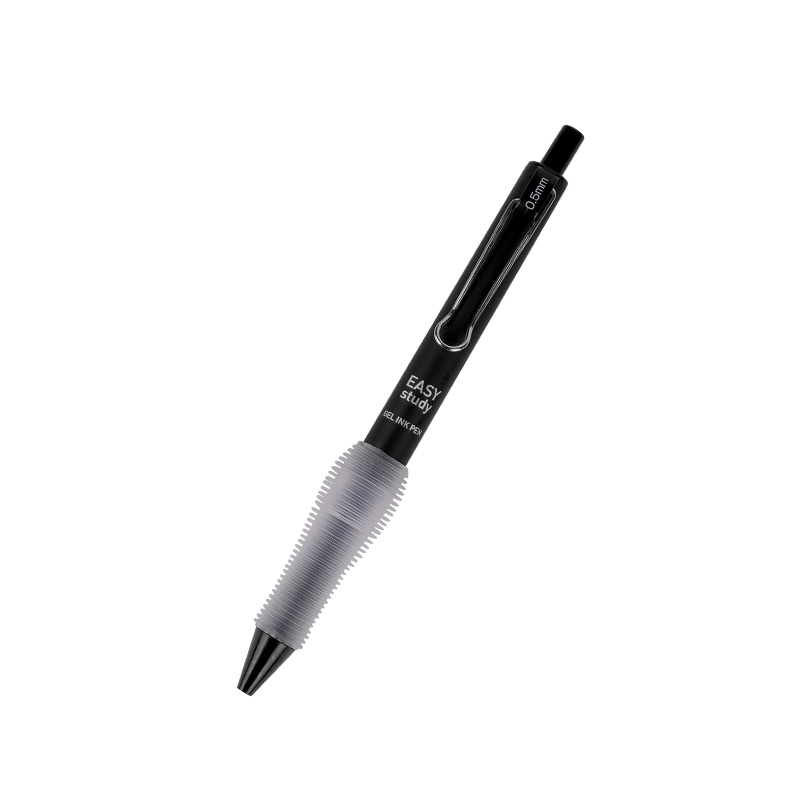
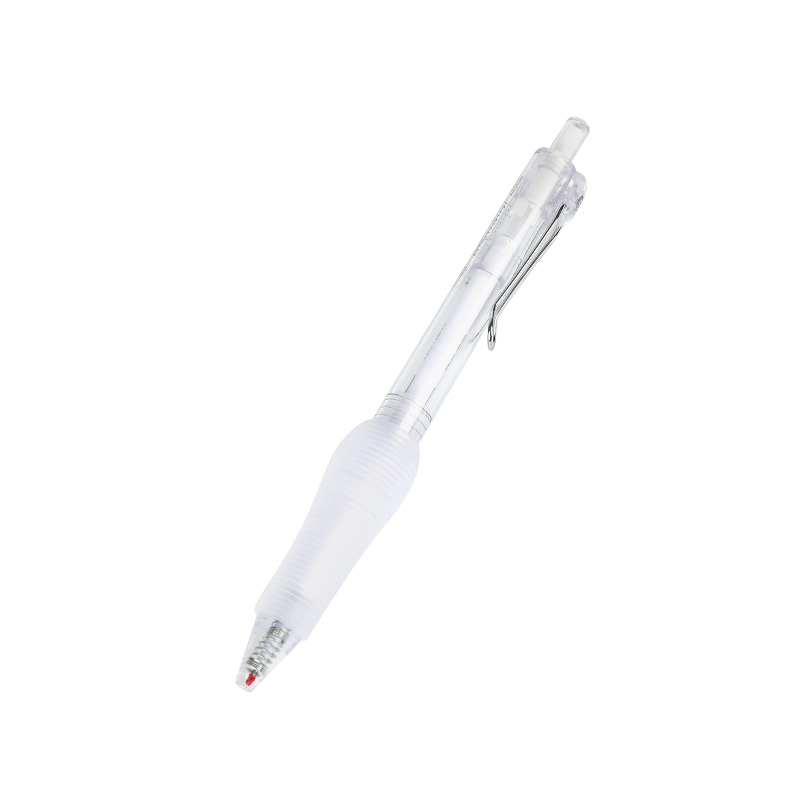
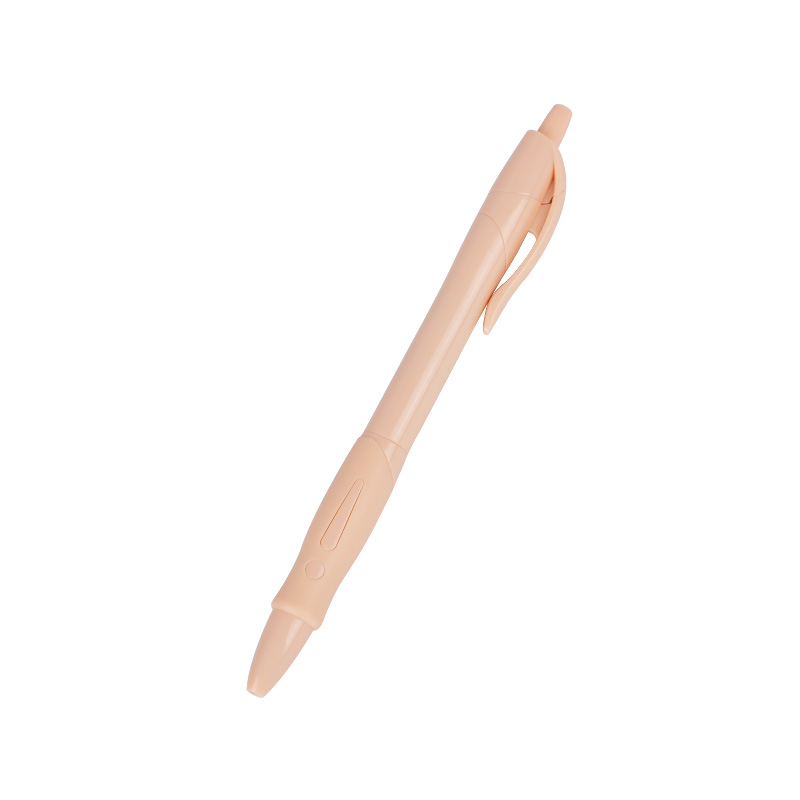
Pens for business, education, and government use must remain stable even with frequent handling. This is why buyers pay attention to barrel materials, clip tightness, and tip durability. A Rolling Ball Pen body may use ABS, PP, or metal, depending on cost targets and brand requirements. Small structural details influence the perceived quality of the pen. Rolling Ball Pen Manufacturers often offer material options to match different project budgets while keeping the writing core consistent. The metal tip, often created with controlled grinding, maintains contact strength while keeping the ink release balanced. While a Rolling Ball Pen is known for a soft writing feel, it still needs a firm internal structure to support extended daily use.
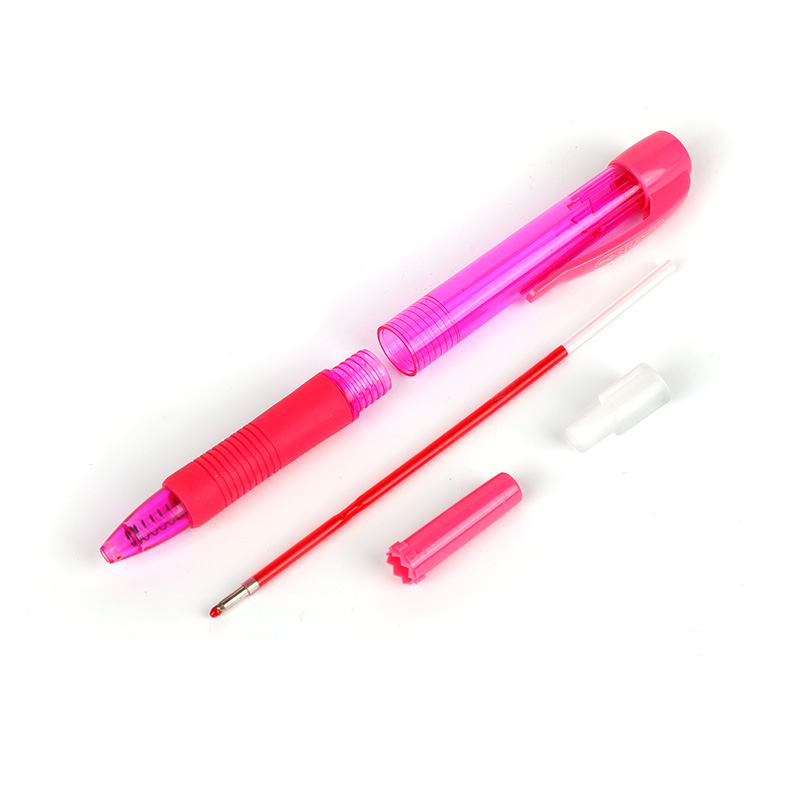
3. Refill Structure and Supply Planning
Commercial buyers frequently evaluate refill systems when sourcing large quantities. A well-designed Rolling Ball Pen should allow the ink to remain stable in storage and during transport. Some markets prefer replaceable refills to support long product cycles, while others prefer non-refillable versions for cost or hygiene reasons. Rolling Ball Pen Manufacturers typically provide several refill sizes and ink formulations so clients can choose based on price positioning and expected usage frequency. This flexibility helps brands maintain consistent product lines across seasons without redesigning their packaging each time.
A Rolling Ball Pen remains a practical writing tool because it delivers smooth movement across paper with a controlled ink feel. For companies sourcing from experienced Rolling Ball Pen Manufacturers, the focus usually stays on writing consistency, long-term reliability, and production quality that supports repeat orders. By understanding how tip design, materials, ink formulation, and refill systems interact, buyers can select models that meet user expectations across different environments and industries.

Copyright © Zhejiang Hanyun Industry And Trade Co., Ltd.

