
 English
 中文简体
中文简体 русский
 Español
How Does A Stationery Pen Perform On Common Paper Types?
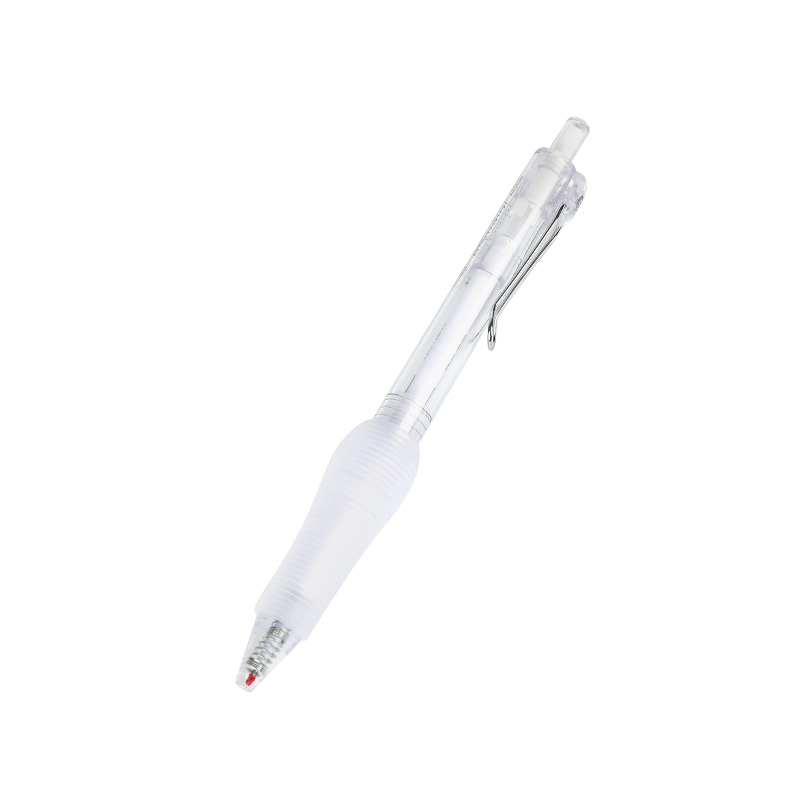
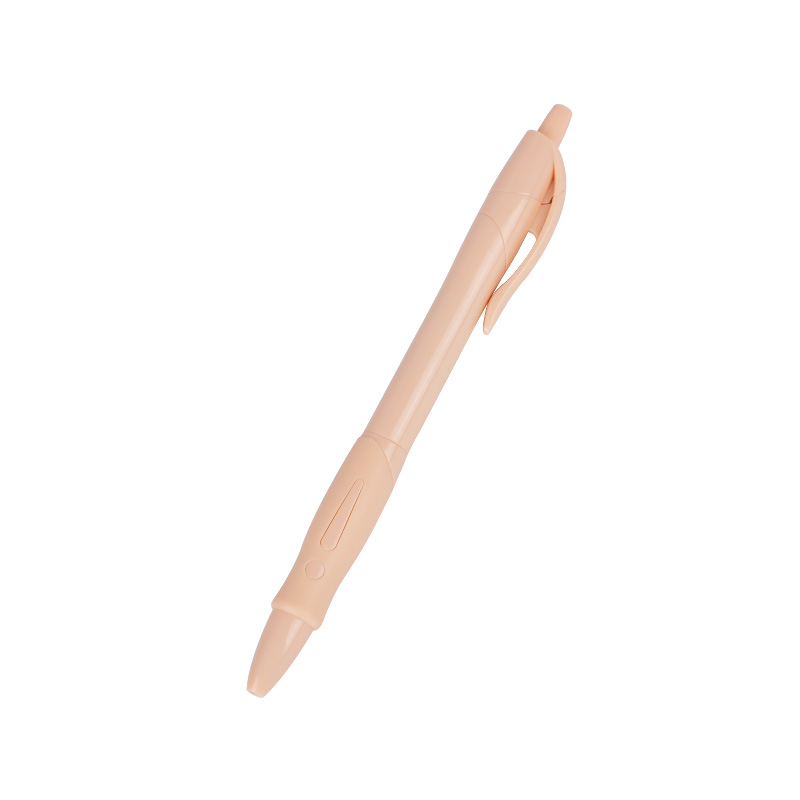
Daily writing tasks often require tools that feel natural and dependable. A stationery pen is expected to write smoothly, maintain clear lines, and work across different paper qualities without interruption. One common concern is uneven ink flow, which can affect readability during note-taking or record-keeping. Stable ink delivery helps maintain consistent handwriting during longer sessions.
Another concern is usability across different environments. Offices, classrooms, and meeting rooms all demand writing tools that perform without special handling. A well-designed RStationery Pen supports these needs by balancing ink flow and tip response, allowing users to focus on content rather than the tool itself.

Functional Variety in Professional Settings
A stationery pen is not limited to one type of task. In offices, it supports form-filling, internal notes, and written communication. In educational settings, it helps with lectures, assignments, and planning activities. Writing whiteboard instruments also fall under broader stationery pen categories when used for presentations and collaborative work.
Markers and highlighters used on whiteboards support visual communication, while fine-tip pens allow more controlled writing for diagrams or explanations. This range addresses the need for flexibility without adding complexity to daily workflows. A Stationery Pen Factory often considers these different use cases when planning product lines.
Material Choices and Manufacturing Focus
From a manufacturing view, material selection affects both writing feel and product lifespan. Plastic and metal barrels are commonly used to balance weight and handling. Tip components are produced with attention to alignment and surface finish, supporting steady ink transfer.
A Stationery Pen Factory also focuses on refill compatibility and assembly consistency. Replaceable ink systems allow extended use of the same pen body, which aligns with practical usage patterns in offices and schools. As a Stationery Pen Supplier, production planning often includes standardized specifications to support steady supply and packaging efficiency.
Adaptability Across Writing Surfaces
Different writing surfaces create different challenges. Paper quality, coatings, and moisture exposure can influence ink appearance. Ballpoint and gel-based options within stationery pens address these variations. Water-resistant desktop pens are often used in environments where moisture may be present, such as warehouses or laboratories.
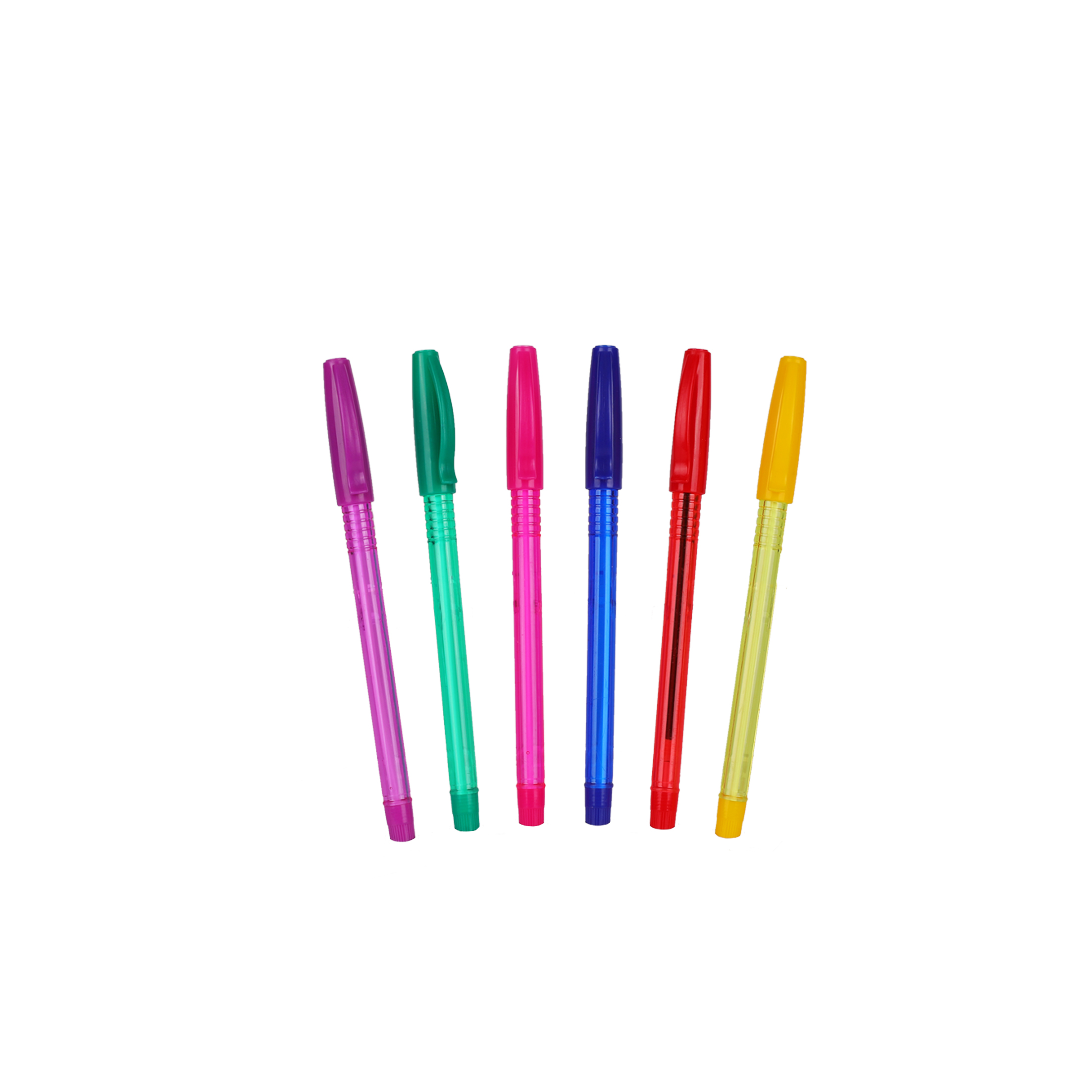
Permanent markers and gel-based pens are selected for labeling or marking tasks that require durability. These variations exist to solve specific problems without changing the basic writing method. RStationery Pen development considers these surface interactions to maintain legibility in routine use.
Supply Perspective and Long-Term Use
Consistency is a key concern in ongoing supply. A Stationery Pen Factory aims to maintain stable output across batches, focusing on ink formulation, tip precision, and assembly control. This supports long-term cooperation with distributors and stationery pen suppliers across different regions.
Rather than relying on decorative elements, production emphasizes practical writing performance and predictable handling. This approach allows stationery pens to remain relevant across professional and educational settings. Through controlled manufacturing processes and clear product positioning, the stationery pen continues to support everyday writing needs with steady performance and adaptable use cases.
The Stationery Pen continues to serve as a practical writing tool by addressing everyday needs such as smooth ink flow, clear handwriting, and adaptability across common work environments. Through stable materials, controlled ink performance, and consistent assembly, a Stationery Pen Factory supports reliable use in offices, classrooms, and shared spaces. From a supply perspective, the focus remains on functional design and repeatable production rather than added complexity, allowing stationery pens to fit routine documentation, presentation support, and surface variation without disrupting normal writing habits.

Copyright © Zhejiang Hanyun Industry And Trade Co., Ltd.

