
 English
 中文简体
中文简体 русский
 Español
How Is Ink Performance Controlled in a Rolling Ball Pen?
A Rolling Ball Pen is known for a smooth writing feel that sits between traditional ballpoint and gel pens. The ink formula is usually water-based, allowing it to flow with less pressure on the paper. This helps reduce hand strain during extended writing and keeps lines consistent across different writing speeds.
A common concern for users is uneven ink delivery. Rolling ball designs use a precisely fitted ball tip to regulate ink movement from the refill to the paper. This balance supports clear handwriting without frequent skipping. For daily notes, logs, and written communication, this writing response feels natural and steady.
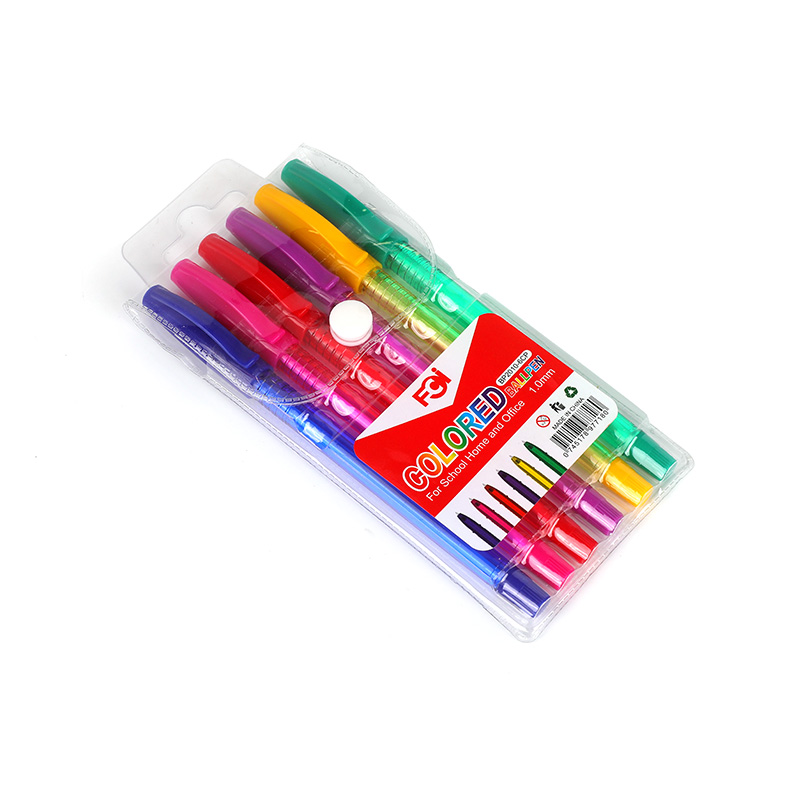
Daily Use in Office and Administrative Work
Office environments often require writing tools that perform reliably across many paper types. A Rolling Ball Pen supports tasks such as internal documentation, record keeping, and handwritten annotations. The medium point option, often supplied by a Medium Point Pens Exporter, offers a readable line width without overwhelming the page.
Another pain point is ink smearing during fast writing. With controlled ink flow and reasonable drying time, rolling ball pens help keep documents tidy. This makes them suitable for shared workspaces where notes and forms may be handled shortly after writing.
Design Structure and Material Considerations
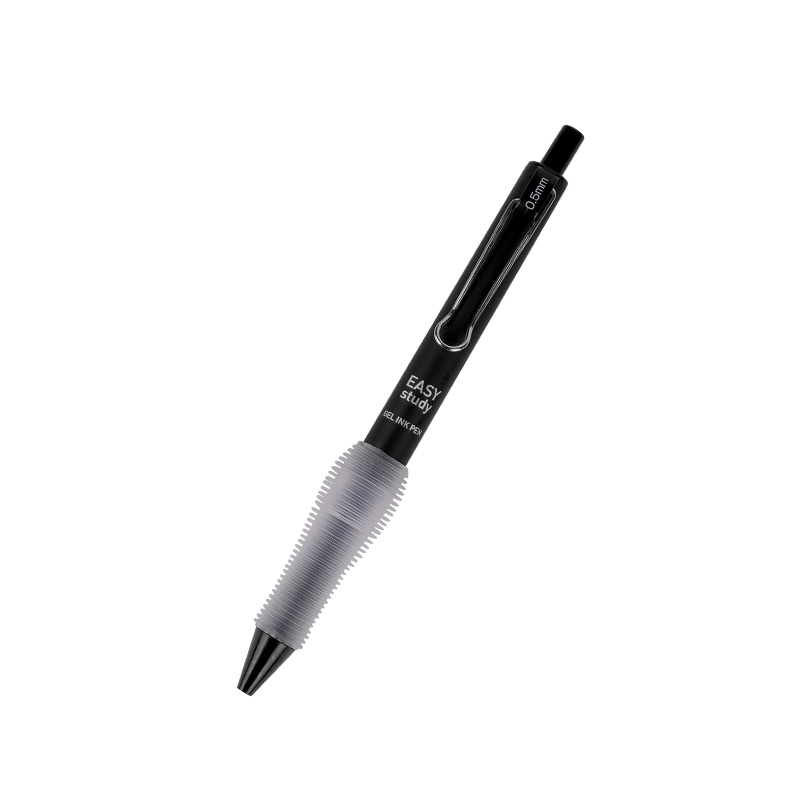
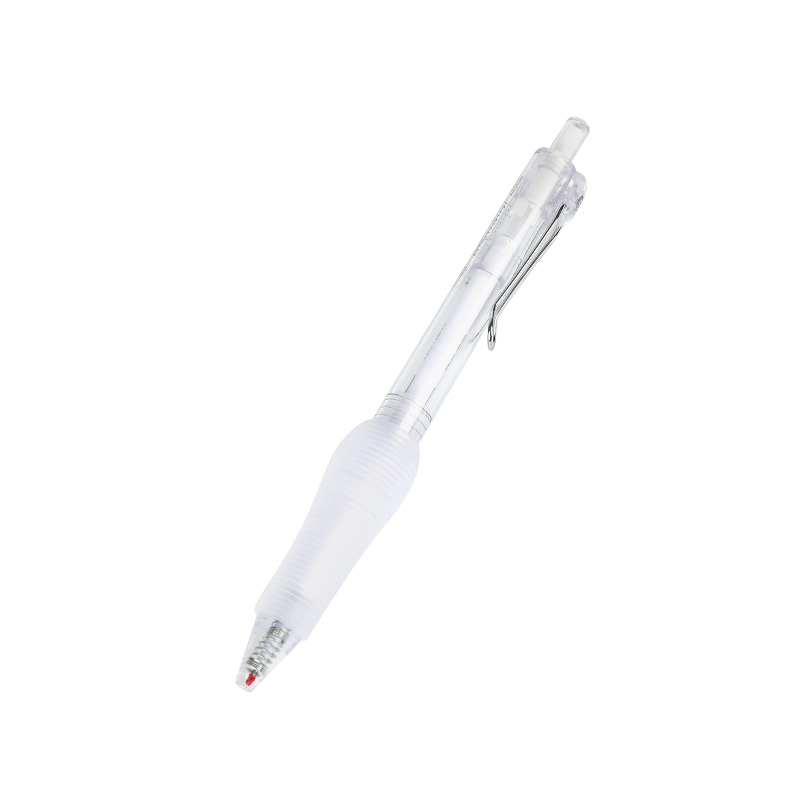
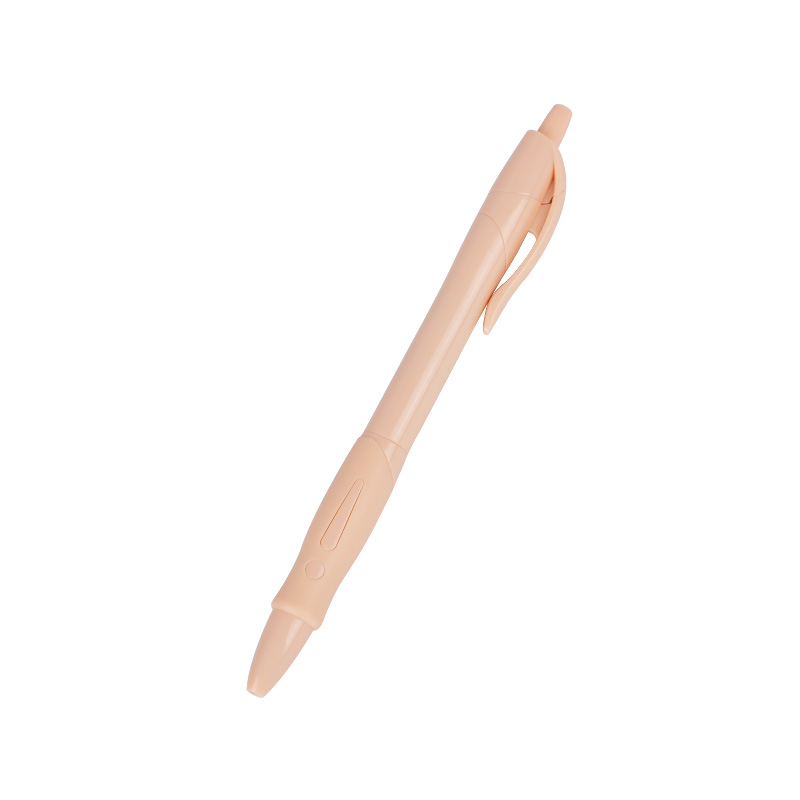
The structure of a Rolling Ball Pen influences both durability and writing comfort. Pen barrels are commonly produced using plastic or metal, balancing weight and handling. Grip sections may include subtle textures to support steady control without adding complexity to the design.
Inside the pen, refill compatibility plays an important role. Replaceable refills allow continued use of the same pen body, supporting long-term practicality. From a manufacturing perspective, these components are designed to maintain consistent alignment between the ink chamber and tip, helping preserve writing stability over time.
Manufacturing Focus from a Factory Perspective
A Rolling Ball Pen Factory pays close attention to tip machining accuracy and ink formulation balance. Small variations in ball diameter or ink viscosity can affect writing performance. Production processes are adjusted to keep output consistent across large volumes, especially for export supply.
As a Medium Point Pens Exporter, factories often align specifications with common international writing standards. This includes refill size, ink capacity, and packaging formats suitable for bulk shipment. Clear production control supports a stable supply without changing the functional design of the pen.
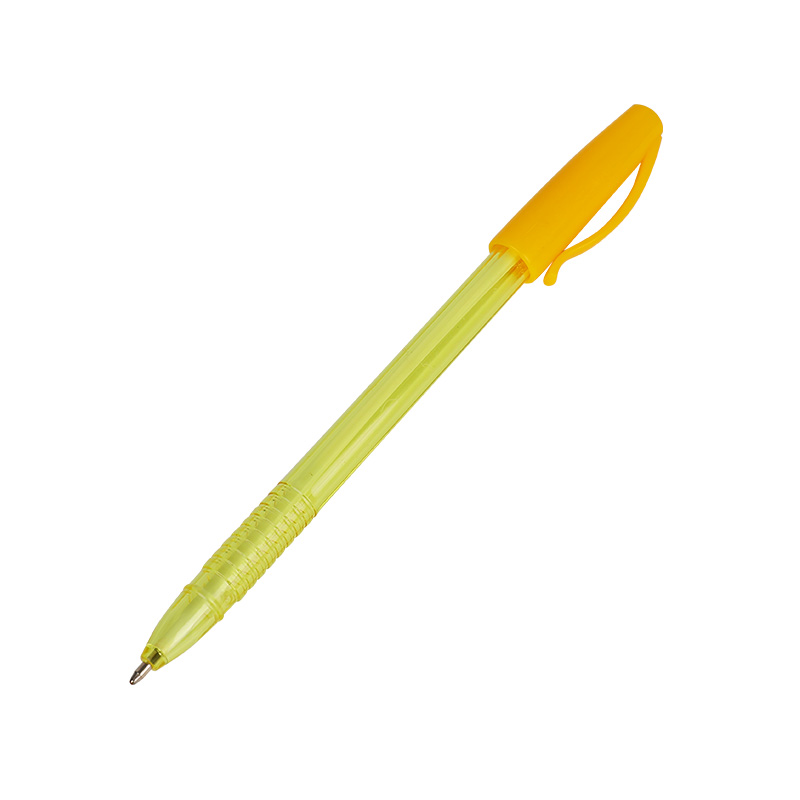
Practical Value Across Markets
The continued use of the Rolling Ball Pen comes from its adaptable writing performance. It fits everyday office routines, educational settings, and general stationery needs without requiring special handling. Users appreciate the balance between smooth ink flow and controlled line output.
A Rolling Ball Pen Factory supports this demand by focusing on stable materials, repeatable assembly processes, and consistent refills. Rather than relying on decorative features, production emphasizes writing reliability and long-term use.
Through this approach, the Rolling Ball Pen remains a practical writing instrument for varied applications, supported by factory-level knowledge and export experience that keeps quality aligned with real-world writing habits.
The Rolling Ball Pen remains a practical writing tool due to its smooth ink flow, stable structure, and adaptable use across office and administrative tasks. Its medium point design supports clear handwriting on common paper types while maintaining a natural writing rhythm during longer sessions. From a production view, a Rolling Ball Pen Factory focuses on controlled ink performance, consistent tip assembly, and refill compatibility to support steady output for export supply. This balance of writing feel and manufacturing control explains why rolling ball pens continue to hold a steady place in everyday stationery applications.

Copyright © Zhejiang Hanyun Industry And Trade Co., Ltd.

